
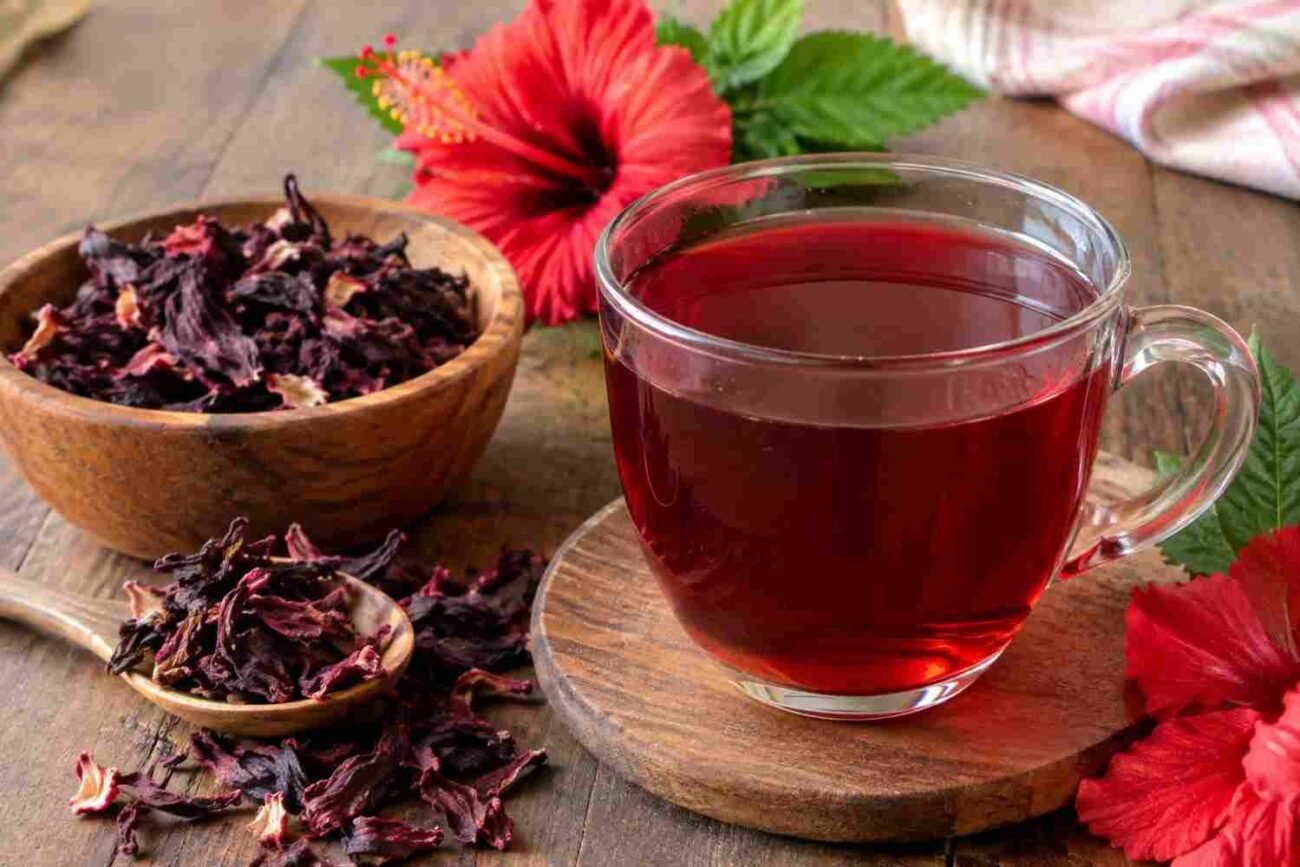
There’s something about a glass of deep red hibiscus tea that just feels a little special, even though it only takes two ingredients and a few minutes to make. Tangy, vibrant, and packed with citrusy notes, this is one of those drinks that works just as well steaming hot on a chilly morning as it does poured over ice on a summer afternoon. Once you make a batch, you’ll understand why so many people keep a pitcher of it in the fridge year-round.
If you’ve never tried hibiscus tea before, get ready for something different from your usual cup. It’s not floral or delicate the way you might expect from a flower-based tea — it’s bold, tart, and almost cranberry-like in flavor, with a color so deep and ruby-red it looks like something you’d order at a fancy café.
Why You Should Give This Tea a Try
Hibiscus tea, sometimes known by its Spanish name agua de Jamaica, has been enjoyed in various forms around the world for generations, and it’s easy to see why once you taste it. A few things that make it worth adding to your regular rotation:
- The flavor is genuinely unique. Tangy and citrusy rather than floral, it’s closer in taste to cranberry juice than to a typical herbal tea.
- It’s naturally caffeine-free. That makes it a good option any time of day, including right before bed.
- It’s incredibly simple to make. Just two core ingredients and a quick steep, with no special equipment required.
- It works hot or cold. Depending on the season or your mood, you can enjoy it either way without changing the recipe.
- A little goes a long way. You can easily make a big batch and keep it in the fridge for the week ahead.
A Note on Potential Health Benefits
Hibiscus is often talked about for its antioxidant content and its traditional use in supporting things like heart health and healthy blood pressure. It’s also rich in vitamin C, which plays a role in supporting the immune system. Some people find it has a mild diuretic effect as well, which is sometimes associated with easing bloating.
That said, it’s worth being cautious with hibiscus if you’re pregnant, since there’s some concern it could contribute to early labor, or if you’re on medication for blood pressure or diabetes — in either case, it’s worth checking with a doctor before making it a regular habit. As with most things, it’s best enjoyed as part of a generally balanced diet rather than treated as a cure-all.
What You’ll Need
This tea keeps things refreshingly simple. Here’s what goes into it:
- Dried hibiscus flowers – Also known as roselle, Jamaica sorrel, or Flor de Jamaica, this is the star ingredient and where all that deep red color and tangy flavor comes from. You can use loose dried petals or pre-portioned tea bags, whichever you have access to. Good-quality flowers make a noticeable difference in both color and taste, so it’s worth seeking out a reputable source.
- A natural sweetener – Honey is a great choice for balancing out the tartness, but maple syrup, agave nectar, or jaggery all work well too, depending on what you prefer or already have in the pantry.
- Water – For brewing, plus extra cold water and ice if you’re making the iced version.
- Optional additions – A cinnamon stick while steeping, and mint leaves or lemon wedges for garnish, if you’d like to dress it up a little.
Choosing Good Hibiscus
Not all dried hibiscus is created equal. Lower-quality flowers tend to produce a duller color and a flatter, slightly off flavor, and they can sometimes be a bit dusty straight out of the package — a quick rinse before steeping takes care of that. If you’re shopping for dried hibiscus, look for petals with a rich, deep red color rather than anything pale or brownish, which is usually a sign of lower quality or older stock.
How to Make Hibiscus Tea
Steeping the Tea
- Bring water to a rolling boil in a teapot or small saucepan.
- Remove it from the heat, then add the dried hibiscus petals and the cinnamon stick if you’re using one. Cover the pot.
- Let it steep for 5 to 7 minutes. This range gives you the best balance of color and flavor — steeping much longer than that risks pulling out bitterness.
For Hot Hibiscus Tea
- Strain out the hibiscus petals and cinnamon stick. Stir in honey or your sweetener of choice until fully dissolved, adjusting the amount to your taste.
- Pour into cups and garnish with fresh mint or a lemon wedge if desired. Enjoy while warm.
For Iced Hibiscus Tea
- Stir cold water into the freshly steeped tea, along with honey or your preferred sweetener, until dissolved.
- Strain the mixture into a pitcher to remove the hibiscus petals.
- Add ice, garnish with mint or lemon if you like, and serve chilled.
Tips for the Best Cup
- Don’t over-steep. Five to seven minutes is the sweet spot. Push much past that and the tea can turn noticeably bitter.
- Adjust the sweetness to the temperature. A lighter hand with sweetener works well for the hot version, while iced tea often benefits from a bit more — around two tablespoons of honey or sugar per glass tends to hit the right balance.
- Add lime for extra tang. If you love the tart side of this tea, a splash of fresh lime juice takes it even further in that direction.
- Play with spices and aromatics. This tea isn’t really about fragrance the way some floral teas are — it’s more about color and bold flavor — so feel free to experiment with warming spices like cardamom or saffron, or other aromatics like rose, lavender, or chamomile.
- Rinse the petals if needed. A quick rinse before steeping helps remove any dust, especially with lower-grade dried flowers.
Common Mistakes to Avoid
- Steeping too long. It’s tempting to leave the petals in longer for a stronger flavor, but this is the fastest way to end up with a bitter cup instead of a tangy, balanced one.
- Using too much hibiscus. More isn’t always better here — an overly concentrated brew can turn harsh and even irritate your throat with its acidity. Stick close to the recommended ratio and add lime juice instead if you want more tang.
- Sweetening before tasting. Since hibiscus tea’s tartness varies depending on the quality and freshness of the flowers, it’s better to sweeten gradually and taste as you go rather than dumping in a fixed amount upfront.
- Skipping the strain. Leaving hibiscus petals steeping in the tea after the initial brew time continues to extract flavor (and bitterness) even after you’ve technically finished steeping, so make sure to strain promptly.
Frequently Asked Questions
Does hibiscus tea contain caffeine? No, hibiscus tea is naturally caffeine-free, which makes it a good option any time of day, including in the evening.
Can I make a big batch ahead of time? Yes, this recipe scales up easily. Just multiply the ingredients and store the brewed tea in the fridge, where it will keep well for about 5 days.
Is hot or iced hibiscus tea better? It really comes down to personal preference and the weather. Both versions use the same base tea, so it’s worth trying it both ways to see which you like more.
Can I use hibiscus tea bags instead of loose dried flowers? Yes, tea bags work just as well and are a convenient substitute if loose dried hibiscus isn’t available to you.
Is it safe to drink hibiscus tea regularly? For most people, moderate regular consumption is fine, but it’s best avoided during pregnancy and should be discussed with a doctor if you’re on blood pressure or diabetes medication.
How to Store It
Brewed tea: Strain out the petals, then transfer the liquid to an airtight container. It will stay fresh in the refrigerator for up to 5 days.
Dried hibiscus flowers: Store unused dried petals in an airtight container in a cool, dark spot, away from light, moisture, and air, to help them hold onto their color, flavor, and potency for as long as possible.
What to Serve With Hibiscus Tea
This tea pairs beautifully with fresh raspberries on the side, and it also works well alongside light snacks like shortbread cookies, fruit salad, or a simple cheese plate. It makes a refreshing non-alcoholic option for brunch spreads or afternoon gatherings, too.
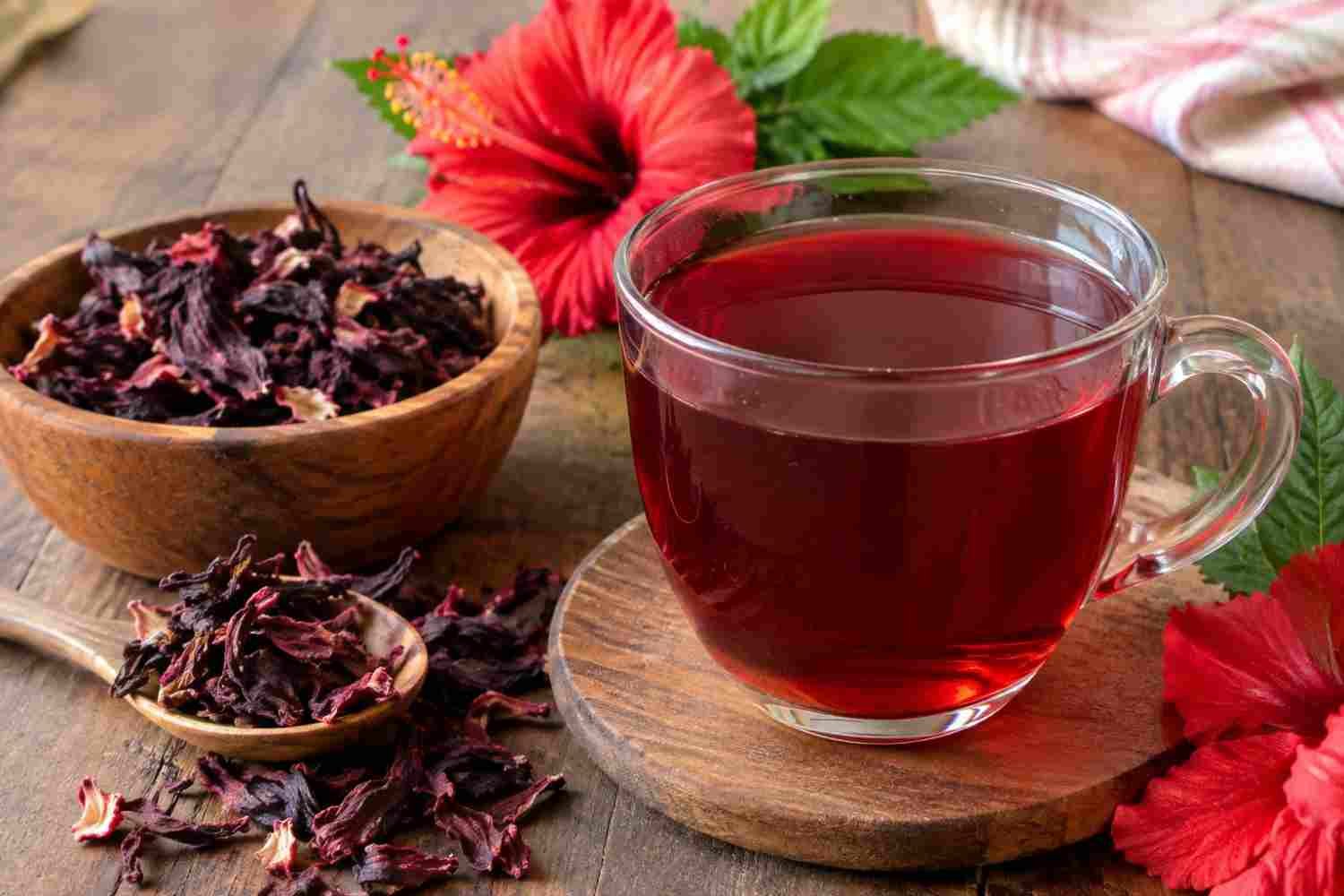
Hibiscus Tea
Ingredients
Method
- Bring the water to a rolling boil in a teapot or saucepan.
- Remove from heat and add the dried hibiscus petals and cinnamon stick, if using. Cover and let steep for 5 to 7 minutes.
- For hot tea: Strain out the hibiscus and cinnamon stick, stir in honey to taste, and pour into cups. Garnish with mint or lemon if desired.
- For iced tea: Stir the cold water and honey into the steeped tea until dissolved, then strain into a pitcher. Add ice and garnish with mint or lemon before serving.
Notes
- Avoid steeping longer than 7 minutes to prevent bitterness.
- Brewed tea keeps in the refrigerator for up to 5 days in an airtight container.
- Add a splash of fresh lime juice for extra tang, or experiment with spices like cardamom and saffron for a different flavor profile.
