
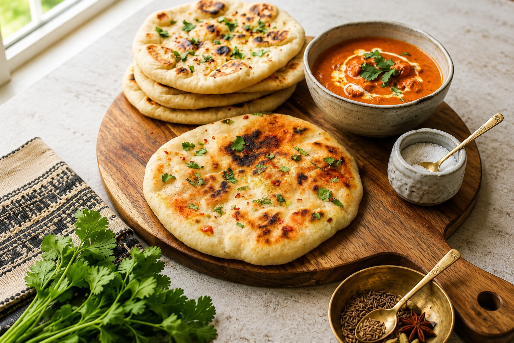
This homemade Turkish bread is soft, chewy, and easy to prepare with a handful of everyday ingredients. Cooked on a hot skillet instead of baked in the oven, each flatbread puffs up beautifully and develops a lightly golden look. Serving it with kebabs, hummus, soups, salads, or your favorite Mediterranean dishes would be a good approach.
Why You’ll Love This Turkish Bread
- Made with easy to find everyday ingredients.
- As it can be cooked in a frying pan, so there’s no need to heat the oven.
- Enough soft and flexible for wraps, sandwiches, or dipping.
- The dough puffs beautifully while cooking, creating a light interior.
- Easy to prepare before time for family meals.
- Freezes well, making it convenient for meal planning and for later use.
- Works equally well as a side dish or as the base for many meals.
What Makes Turkish Bread Different?
Turkish bread is known for its soft texture and slightly chewy bite. While it shares a few similarities with pita, the dough typically includes both warm milk and olive oil, which helps to create a richer texture and a tender crumb.
Instead of baking inside an oven, this recipe cooks directly on a hot pan. As the dough heats, steam forms inside, causing the bread to puff before developing light golden spots across the surface. A light brush of olive oil or melted butter after cooking keeps each piece soft and adds extra flavor.
Notes For Ingredient
To prepare this bread you only need a handful of pantry staples.
All-Purpose Flour
Regular all-purpose flour works well for this recipe and produces a soft, chewy flatbread. Bread flour can also be used if you prefer a slightly chewier texture.
Warm Water
The water should feel comfortably warm, not hot. Too hot water may damage the yeast, while cold water slows the rising process.
Warm Milk
Milk gives tenderness to the dough and helps to create a softer bread. Like that of water, it should also be warm rather than boiling hot.
Instant Yeast
Instant yeast can be mixed directly with the dry ingredients. If using active dry yeast instead, dissolve it in the warm liquids first and allow it to become foamy before combining everything together.
Sugar
Only a small amount is needed. It helps activate the yeast during the first rise without making the bread sweet.
Salt
Salt improves the overall flavor and also helps strengthen the dough structure.
Olive Oil
Olive oil keeps the dough soft and easy to work with while adding a mild richness to the finished bread.
Parsley and Chili Powder
These are optional toppings that add a little freshness and color before serving.
Kitchen Tools You’ll Need
You don’t need any special equipment for this recipe.
- Large mixing bowl
- Measuring cups and spoons
- Wooden spoon or fork
- Rolling pin
- Bench scraper or knife
- Large non-stick skillet or cast-iron pan
- Kitchen towel
- Pastry brush
How to Make Turkish Bread
1. Mix the Dry Ingredients
Place the flour, instant yeast, sugar, and salt into a large bowl. Stir everything together so the ingredients are evenly distributed before adding the liquids.
2. Add the Warm Liquids
Mix the warm water and warm milk together. Pour them into the bowl while stirring until a rough dough begins to form.
3. Add the Olive Oil
Pour in the olive oil and continue mixing until all the flour is incorporated. Once the dough comes together, transfer it to a lightly floured surface.
4. Form the Dough
Work the dough gently with your hands until it becomes smooth. There’s no need for heavy kneading—just enough to create a soft, elastic dough that holds together well.
5. Let It Rise
Place the dough back into a lightly oiled bowl and cover it with plastic wrap or a clean kitchen towel. Leave it in a warm place for about 1 to 1½ hours, or until it has roughly doubled in size.
6. Divide the Dough
Press the risen dough gently to release the large air pockets. Divide it into equal portions and shape each piece into a smooth ball.
7. Roll Each Piece
Lightly flour your work surface and roll each dough ball into a thin round. Try to keep the thickness even so every bread cooks at the same rate.
8. Cook in a Hot Pan
Heat a large skillet over medium-high heat. Place one rolled dough round into the dry pan and cook for about 2–3 minutes. As it heats, you’ll notice bubbles forming and the bread beginning to puff.
Flip it over and cook the second side for another 2–3 minutes, until both sides have light golden spots.
9. Finish and Serve
Transfer the cooked bread to a plate and brush lightly with olive oil or melted butter while still warm. Sprinkle with chopped parsley and a little chili powder if you like, then continue cooking the remaining pieces in the same way.
Serving Suggestions
One of the best things about Turkish bread is how easily it fits into different meals. Its soft texture makes it a great choice for dipping, wrapping, or serving alongside hearty dishes. Freshly cooked bread is especially enjoyable while it’s still warm.
Here are a few delicious ways to serve it:
- Pair it with grilled chicken, beef, lamb, or vegetable kebabs.
- Serve it alongside hummus, baba ganoush, tzatziki, or garlic yogurt dip.
- Enjoy it with lentil soup, tomato soup, or a bowl of warm stew.
- Use it as a wrap for grilled meats, fresh vegetables, and your favorite sauces.
- Slice it into wedges and serve it with olives, feta cheese, cucumbers, and tomatoes for a simple Mediterranean-style platter.
- Brush it with a little melted butter or olive oil before serving for extra softness.
Is Turkish Bread a Healthy Choice?
Turkish bread can be part of a balanced diet when enjoyed in moderation. It provides carbohydrates that your body uses for energy, making it a satisfying addition to many meals.
Some of its nutritional highlights include:
- Provides carbohydrates for everyday energy.
- Contains a small amount of plant-based protein from wheat flour.
- Olive oil contributes heart-friendly unsaturated fats.
- Homemade bread allows you to control the amount of salt and oil.
- Contains no artificial preservatives when prepared from scratch.
For a little more fiber, you can replace part of the all-purpose flour with whole wheat flour. Keep in mind that this may slightly change the texture and make the bread a bit denser.
Note: Traditional Turkish bread is not a low-carb or gluten-free bread because it is made primarily with wheat flour.
Variations
This recipe is easy to customize depending on your preferences or the meal you’re serving.
Add Fresh Herbs
Mix chopped parsley, dill, or cilantro into the dough for extra color and fresh flavor.
Garlic Butter Finish
Brush the warm bread with melted butter mixed with minced garlic for a simple garlic flatbread.
Sesame or Nigella Seeds
Sprinkle sesame seeds or nigella seeds over the dough before cooking for a traditional bakery-style appearance.
Whole Wheat Version
Replace part of the all-purpose flour with whole wheat flour to add more fiber while keeping the bread soft.
Mild Spice
Finish the bread with a light sprinkle of chili flakes, smoked paprika, or Aleppo pepper for gentle heat.
Storage
Allow the bread to cool completely before storing.
- Keep it in an airtight container or sealed food bag at room temperature for up to 2 days.
- For longer storage, freeze the bread for up to 2 months. Place parchment paper between each piece to prevent sticking.
Reheating
To bring back its soft texture:
- Skillet: Warm each bread for about 30–60 seconds per side over medium heat.
- Oven: Wrap in foil and heat at 350°F (175°C) for about 5–8 minutes.
- Microwave: Heat for 15–20 seconds, then cover with a clean kitchen towel for a minute to help retain moisture.
Easy Turkish Bread Recipe
Ingredients
Method
- In a large bowl, combine the flour, instant yeast, sugar, and salt until evenly mixed.
- Stir the warm water and warm milk together, then gradually pour the mixture into the dry ingredients while mixing.
- Add the olive oil and continue mixing until a soft dough forms. Shape it into a smooth ball.
- Cover the bowl with lightly oiled plastic wrap or a clean kitchen towel and let the dough rise in a warm place for 1 to 1½ hours, or until doubled in size.
- Press the dough gently to remove large air pockets, then divide it into equal portions and roll each piece into a smooth ball.
- Lightly flour the work surface and roll each ball into a thin round.
- Heat a large skillet over medium-high heat and cook each flatbread for 2–3 minutes per side, or until puffed and lightly golden.
- Brush the warm bread with olive oil or melted butter if desired, then finish with chopped parsley and a light sprinkle of chili powder before serving.
Notes
- Use warm—not hot—milk and water to help the yeast activate properly.
- Check that your yeast is fresh before starting the recipe.
- Roll each dough round evenly so the bread cooks uniformly.
- A properly heated skillet helps the bread puff during cooking.
- Keep cooked bread wrapped in a clean kitchen towel to maintain its softness.
